Condo renovation planning
Renovating a condo while living in it
You can usually stay in your condo through a kitchen or bathroom renovation if the work is phased so a toilet and some way to cook stay available, the work zone is sealed against dust, and the schedule fits the building's hours. It is hardest in a one-bathroom suite and during demolition, when noise, dust and water shut-offs peak. Plan to be out on those days, set up a temporary kitchen in another room, and let the neighbours know before the loud work starts.
Decide what you can live without, and for how many days
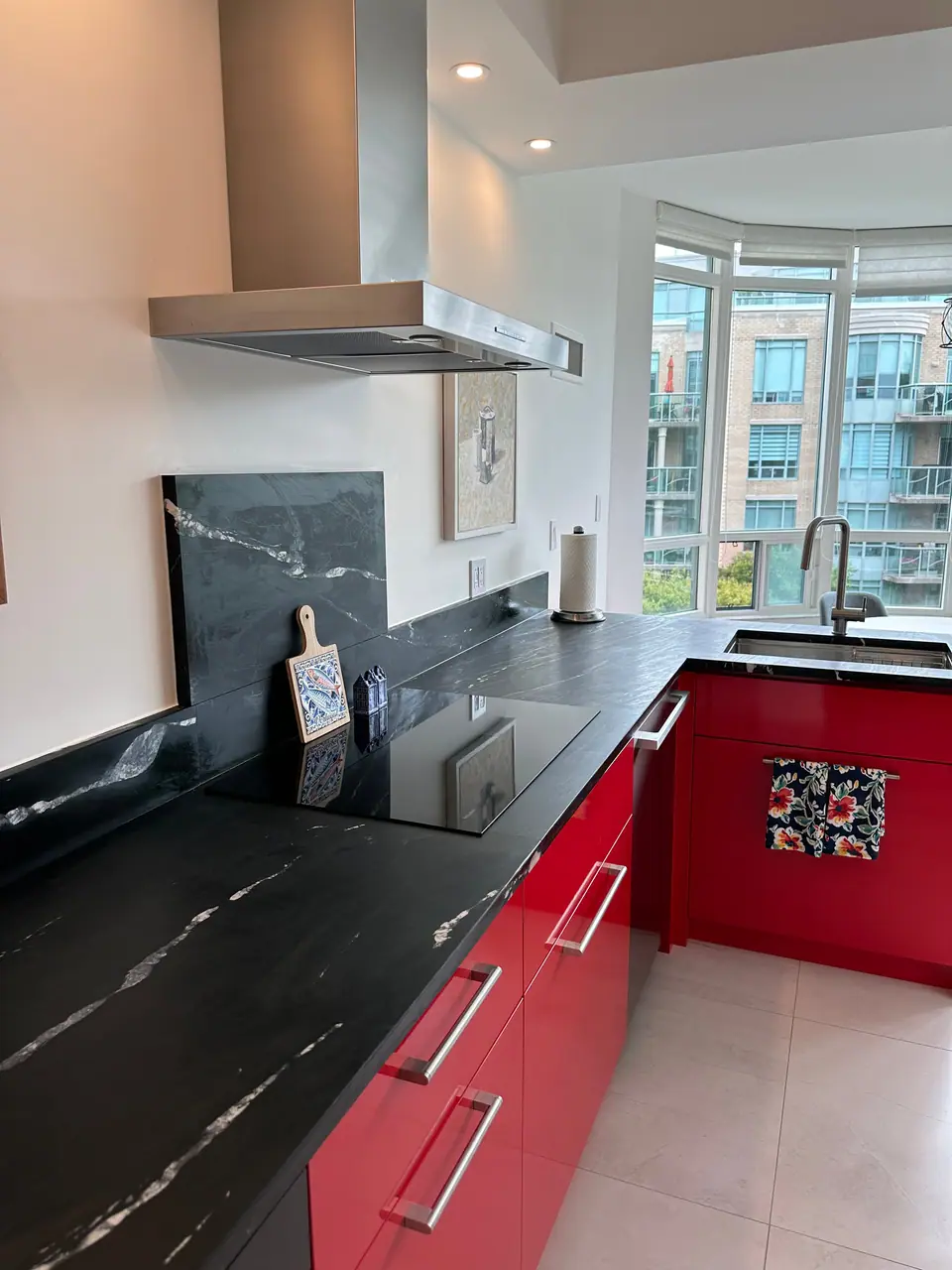
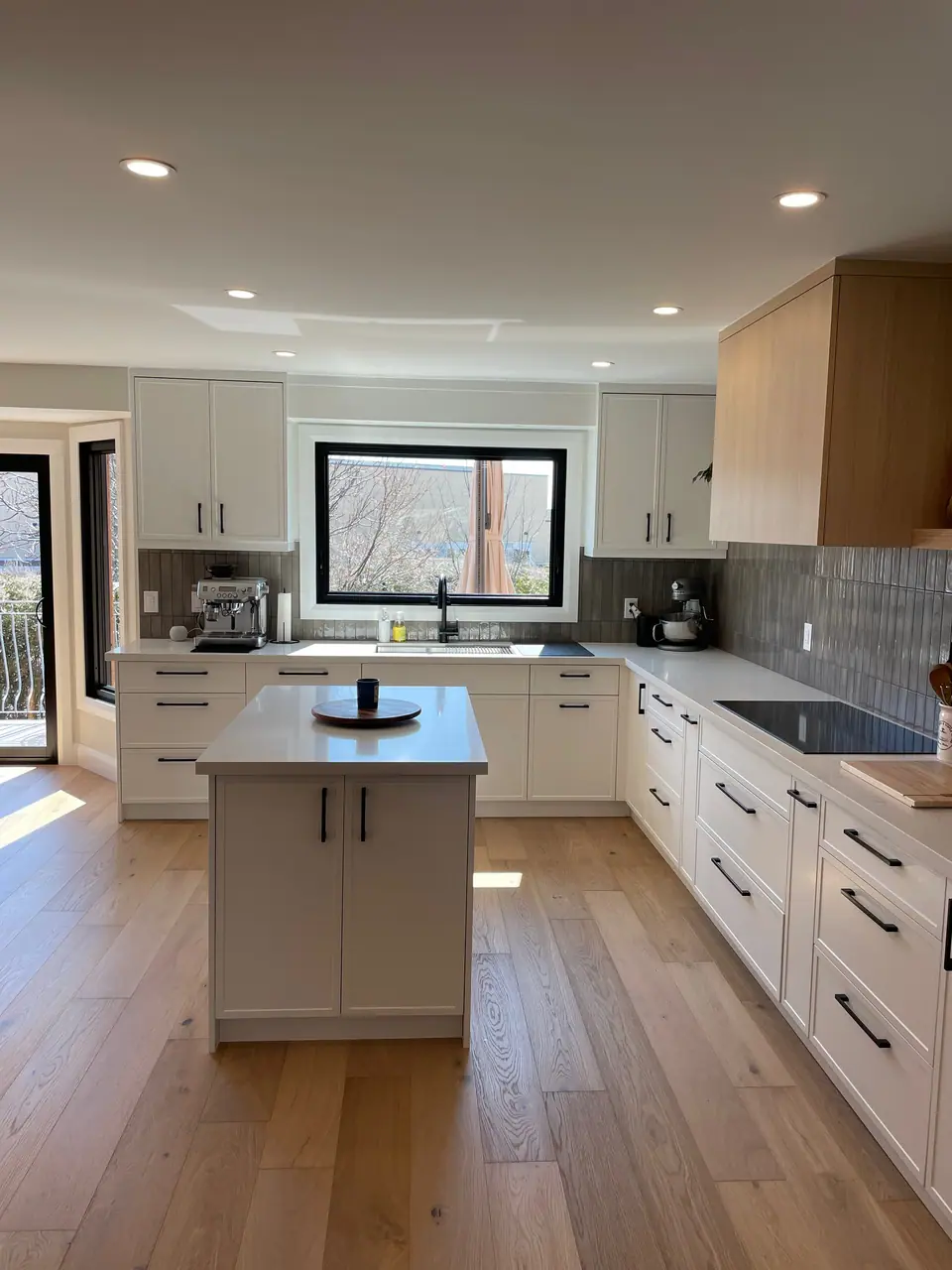
Start from the scope, because it decides whether staying is realistic. A kitchen alone or one of two bathrooms is very livable; the only bathroom in the suite, or a kitchen and bathroom at the same time, needs a careful phase plan or a few weeks somewhere else. Most GTA kitchen and bathroom renovations take 6 to 16+ weeks depending on scope, complexity and change orders, so think in weeks, not days.
| Scope | Living in it is | What usually makes it work |
|---|---|---|
| Kitchen only | Workable | A temporary kitchen in another room; meals out on demolition and countertop days |
| One bathroom in a two-bathroom suite | Easiest | Use the other bathroom; seal the work zone door |
| The only bathroom in the suite | Hardest | Ask which days the toilet can be reconnected overnight; stay elsewhere through waterproofing and tile |
| Kitchen and bathroom together | Hard | Phase them so one room is always usable, or move out for the weeks they overlap |
| Whole-suite renovation | Rarely practical | Plan to move out; you will also free the crew to work faster |
Phase the work around the days you lose water and quiet
A renovation has a few hard days and many ordinary ones, and a good schedule tells you which is which in advance. The hard days in a condo are predictable:
- Demolition. The loudest and dustiest stage, with debris going down the service elevator. A good day to be out.
- Water shut-offs. Cutting into supply lines needs your suite valve closed, and sometimes a booked riser shutdown that affects the whole stack; see condo plumbing: risers, shut-offs and leaks.
- Coring or drilling the slab. If a drain moves, the scan and coring are loud, and the suite below is involved.
- Waterproofing and tile curing. The bathroom cannot be used, sometimes for several days, while membranes and setting materials cure.
- Countertop templating and installation. The kitchen is a work site again for the day, and the sink is out of service until it is reconnected.
| Phase | Bathroom usable? | What to arrange |
|---|---|---|
| Demolition and rough-in | No | Stay out for the loud days; ask whether the toilet can go back on each evening |
| Inspections and closing walls | Partly | Toilet reconnected where the floor allows |
| Waterproofing, tile and curing | No | Plan nights elsewhere; this is the longest gap |
| Fixtures, glass and finishing | Mostly | Short shut-offs only while fixtures are connected |
A temporary kitchen that works in a condo
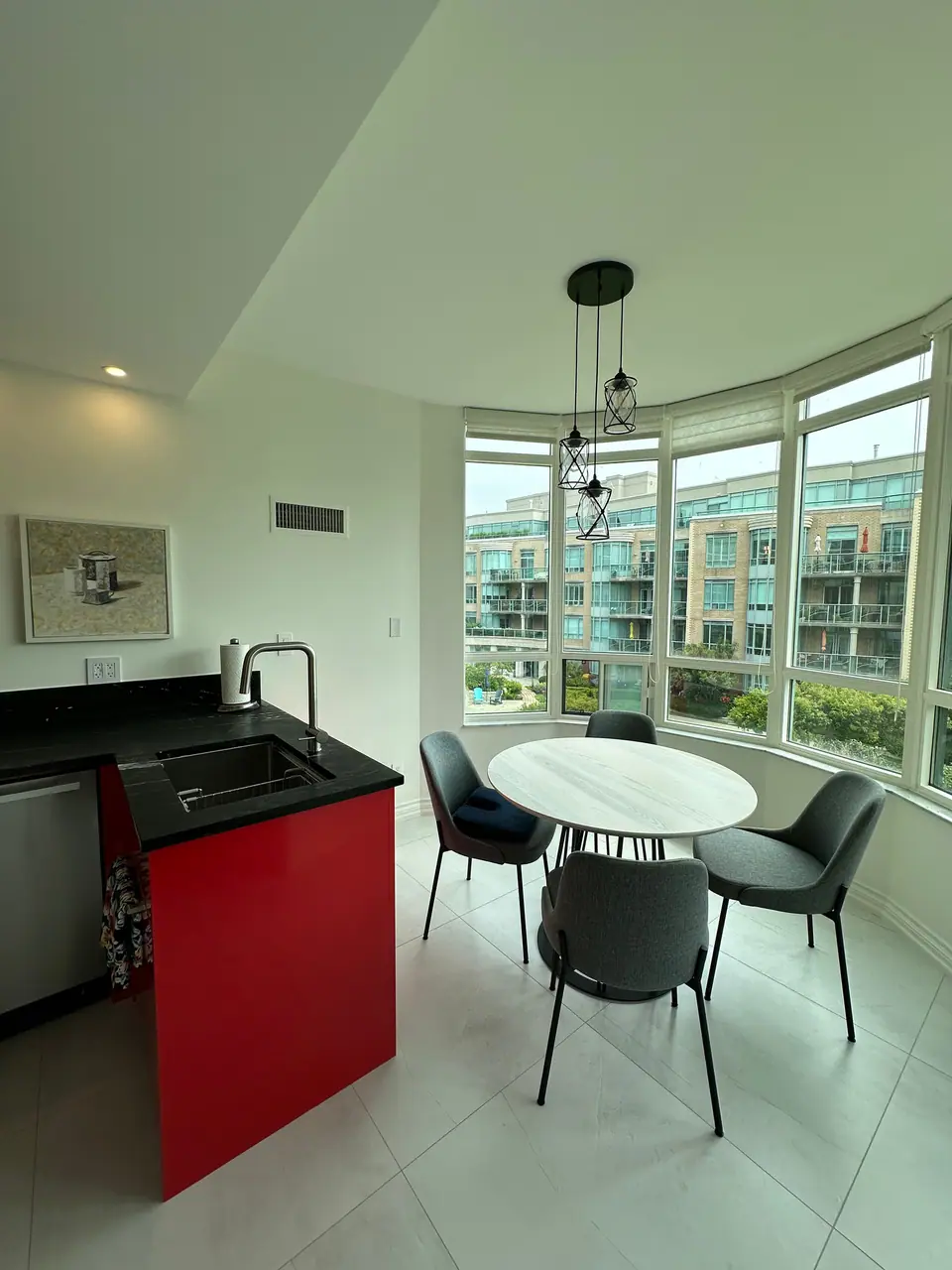
Set up a small cooking station in the dining or living area before demolition starts, away from the work zone and on a clear walking path. A countertop induction burner, a microwave, a kettle and the existing fridge, moved to a corner of the living room if the doorways allow, cover most weeknight meals.
Condo suites have a limited number of circuits, so spread heat-producing appliances across different receptacles; plugging the induction burner, microwave and kettle into one circuit is the quickest way to trip a breaker. Wash dishes in a bathroom sink with a strainer in the drain, and scrape food and grease into the garbage rather than down a drain the building shares with every suite below. The general version of this setup, with meal planning, is in living without a kitchen during a renovation.
Keeping dust inside the work zone in a sealed suite
Dust control in a condo is mostly about air movement inside the suite, because the dust has nowhere to go but into your other rooms and the corridor. Seal the work room with plastic sheeting and a zippered door, keep a HEPA air scrubber running inside the zone, and put tack mats at its exit so the crew does not carry dust through the suite.
Check your heating and cooling unit. If the suite has a fan coil or heat pump that recirculates room air, cover its return grille or switch it off during dusty work and replace its filter afterwards; otherwise it spreads dust to every room. Ask management how smoke alarms and any building fire alarm devices in the suite should be protected during dusty stages, and never tape, bag or paint over a sprinkler head.
Keep the suite entrance door closed. It is a fire door between your unit and the corridor, and propping it open while trades carry material in sends dust into a hallway your neighbours walk every day. More methods are in renovation dust control.
Neighbours, noise and the building's patience
Your neighbours live through the renovation too, and the law puts the responsibility for it on you. Section 117(2) of the Condominium Act bars activities that create unreasonable noise that is a nuisance, annoyance or disruption to others in the building, and section 119(2) requires an owner to take all reasonable steps to make sure the owner's invitees, agents and employees, your contractor included, comply with the Act, the declaration, the by-laws and the rules. The Condominium Authority of Ontario lists renovation drilling and hammering among common sources of condo noise and vibration.
A short note to the suites above, below and beside you, with the dates of demolition, any coring and any water shut-off, prevents most complaints. Keep loud work within the hours your building allows, which can be narrower than Toronto's noise by-law; see condo elevator bookings, working hours and noise rules. Leave the corridor clean at the end of each day and carry construction waste out with the crew, never down the garbage chute.
Daily routines that make living on site easier
Agree the house rules with your contractor on day one, so neither side has to guess:
- Start and finish times that match the building's renovation hours, and a daily clean-up before the crew leaves.
- Access. How the crew gets in: registered with the concierge, a fob or a key held by the project lead, and who is in the suite when you are not.
- A protected path from the suite door to the work zone, with floor protection over finishes you are keeping.
- Valuables and pets moved out of the work path; contractors cannot watch a cat and a door at the same time. More in renovating with kids and pets at home.
- An end-of-day check. Water on, toilet working if it can be, no open drains, tools stored and the work zone zipped shut.
Questions
Does staying in the suite make the renovation take longer?
It can. Phasing so a toilet or cooking space stays usable means the crew finishes one area before opening the next, and daily set-up and clean-up take time. Moving out for the hardest weeks often shortens the overall schedule.
Can I use the building's amenity showers while my bathroom is out?
Only if your building's rules and amenity hours allow it, and buildings differ. Ask management before you count on it in your phase plan, and keep a backup such as a friend's place for the curing days.
Will renovation dust set off the fire alarm?
Fine dust can trigger smoke alarms, which is why management should tell you how to protect alarms and any building fire alarm devices in the suite during dusty work. Sprinkler heads must never be covered, taped or painted.
Should I tell my neighbours myself or leave it to management?
Both. Management may post notices for water shut-offs and elevator bookings, but a short personal note with the loud-work dates and a phone number gives neighbours somewhere to go before they go to the board.
Sources and further reading
- Condominium Act, 1998, S.O. 1998, c. 19 (sections 117 and 119)
- Condominium Authority of Ontario: Condo Owners' Guide (2023)
- Condominium Authority of Ontario: Vibration
- Toronto Municipal Code Chapter 591, Noise
Checked November 19, 2026. Codes, by-laws, prices and product specifications change; confirm with your municipality, condo corporation or supplier before you build.
Keep reading
Related guides